-
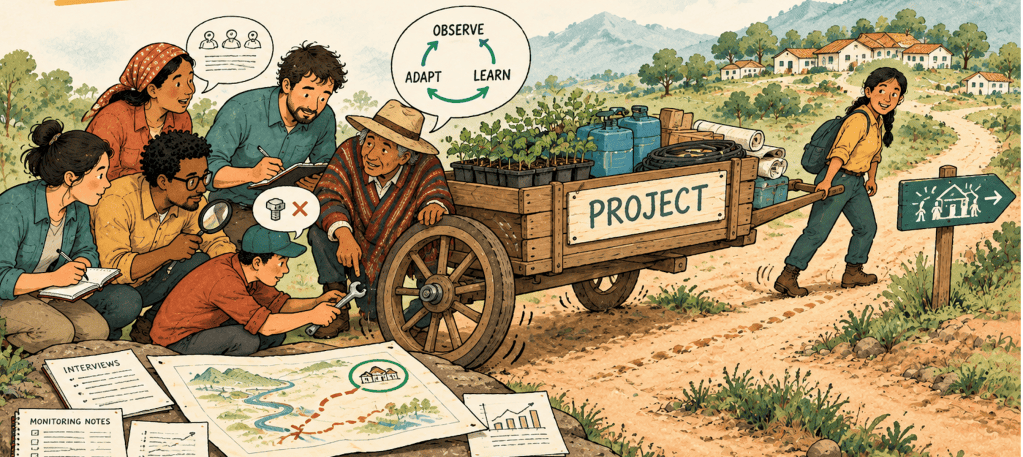
As part of my current role in a development programme in the Mekong, I was fortunate to attend a research workshop for a project, a four-year initiative working across Cambodia, Laos and Vietnam to strengthen the climate resilience of upland communities, with particular attention to ethnic minority women, young people and people with disabilities. That…
-
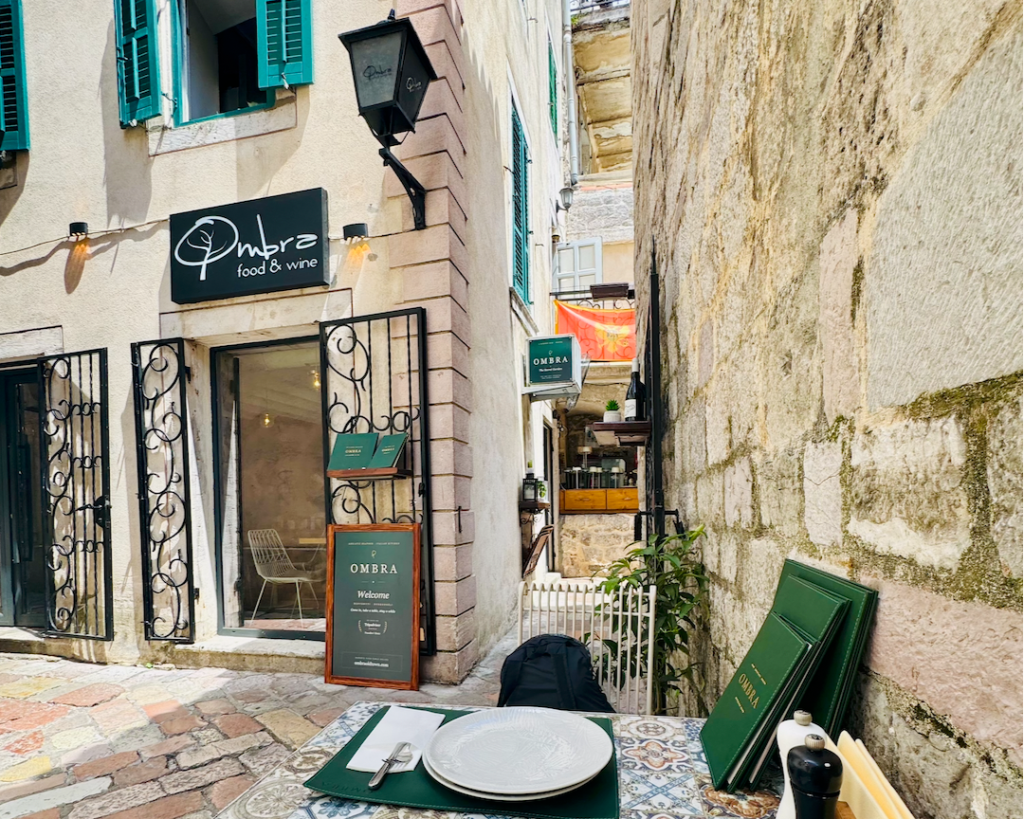
I had lunch at Ombra today. The day before, I’d noticed a woman there — the matriarch of the restaurant, perhaps — in a colourful summer dress. She invited me in; I told her I’d probably come back the next day, and I did. Yesterday she was warm. Today she was not. I felt like…
-
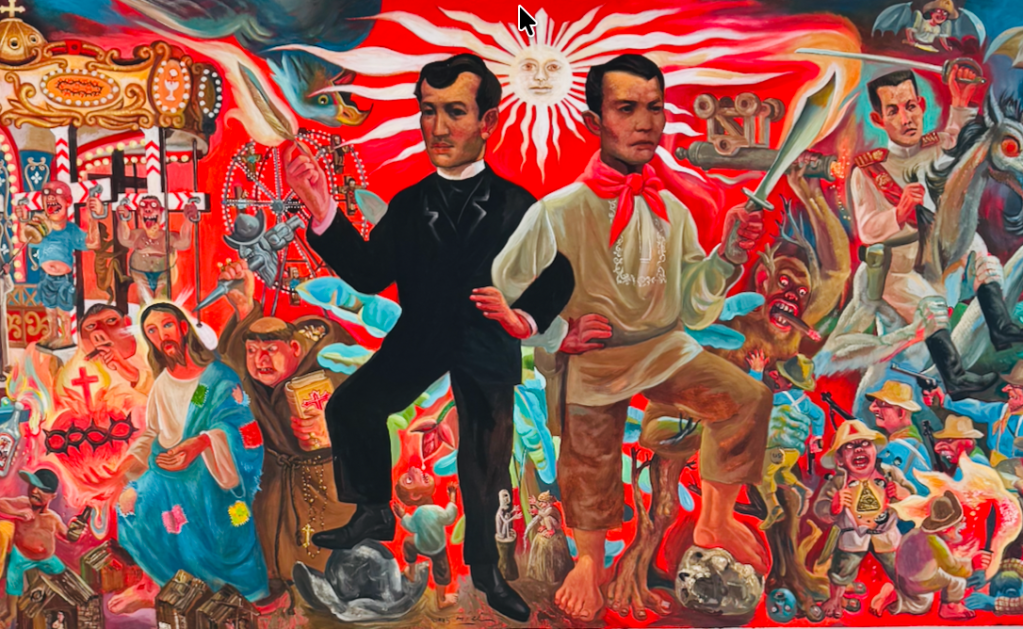
MGA KATHANG IPIS by artist DengCoy Miel, displayed at the BenCab Museum, Tuba, Benguet I visited Baguio in December last year with my wife and kids. I have been to the city several times, but it was our first trip together as a family. Baguio City is in the northern Philippines. To get there from…
-
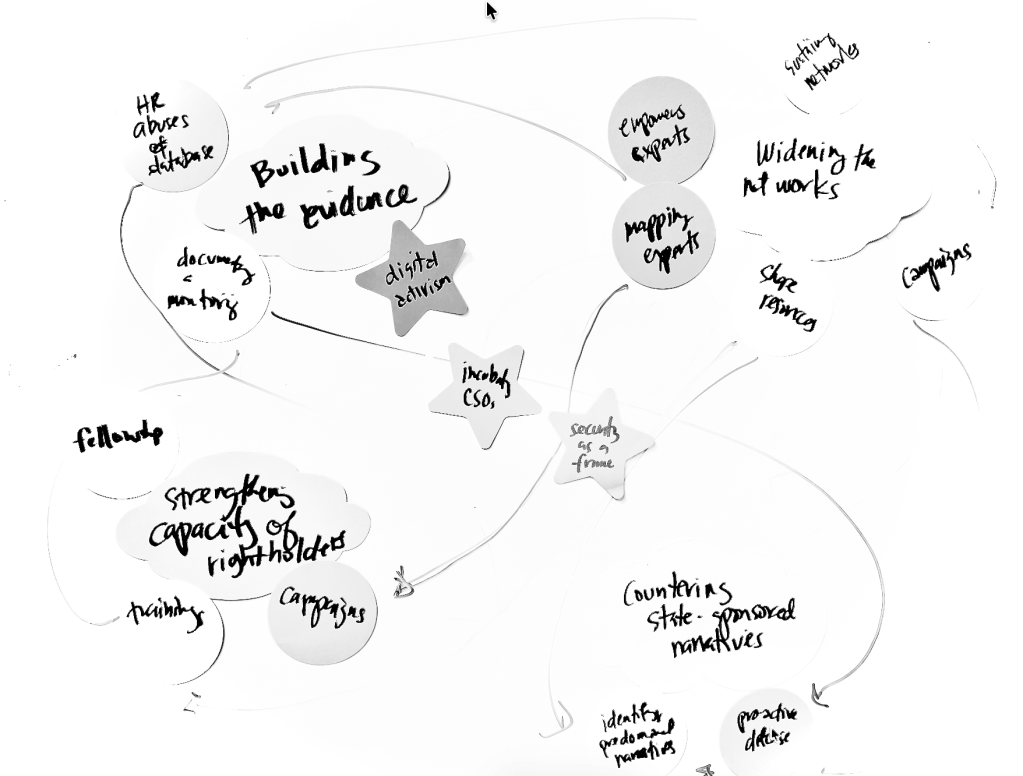
I helped two organisations in 2025 develop strategic plans and used systems thinking to better situate their plans within the complexity of the problems each organisation wanted to tackle. The realisations of both organisations converged on a few key themes – the process made them think more deeply about the problems they wanted to solve,…
-

A colleague at work once asked me how my perspective on leadership (and my behaviour as a leader) has changed over time. A Shift in Pronouns I reflected on this question quite a lot. Looking back, I realised that the change in how I view leadership can be best described by a shift in pronouns…
-
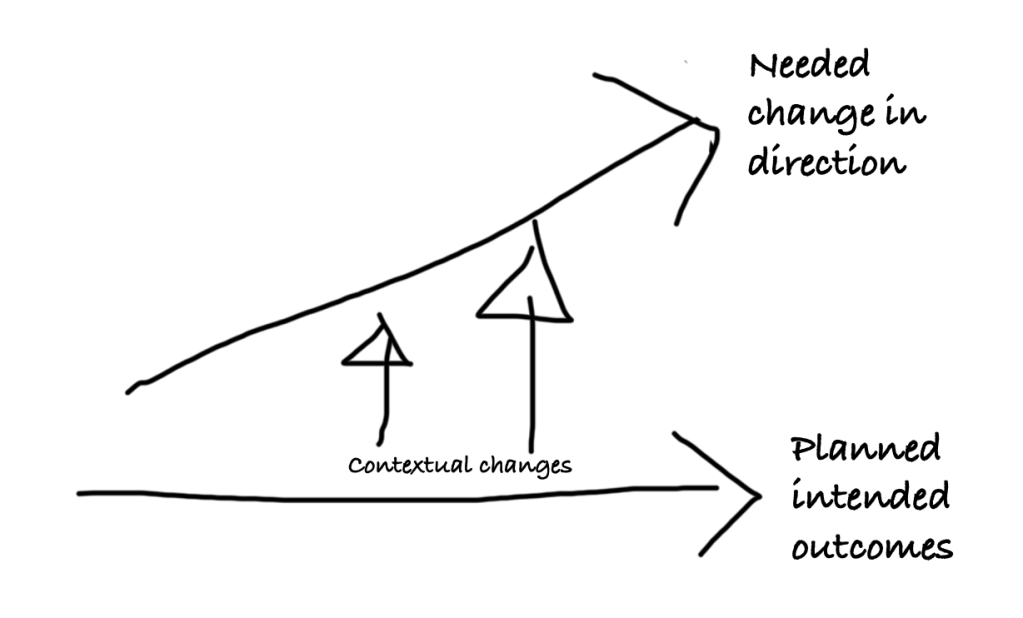
In international development programming, the phrase “outcomes” refers to the desired, measurable changes or benefits that result from a program or project as a consequence of outputs achieved. Some outcomes are considered immediate -those direct results of the production of outputs, while others are considered intermediate or ultimate, which can be likened to higher-order results.…
-

Some seven years ago, while working at the Open Data Lab Jakarta, I wrote about three things we learned while attempting to use open data to achieve political, social, and economic outcomes. In that blog post, I emphasised that sometimes our fascination with data or the product we want to produce makes us forget the…
-
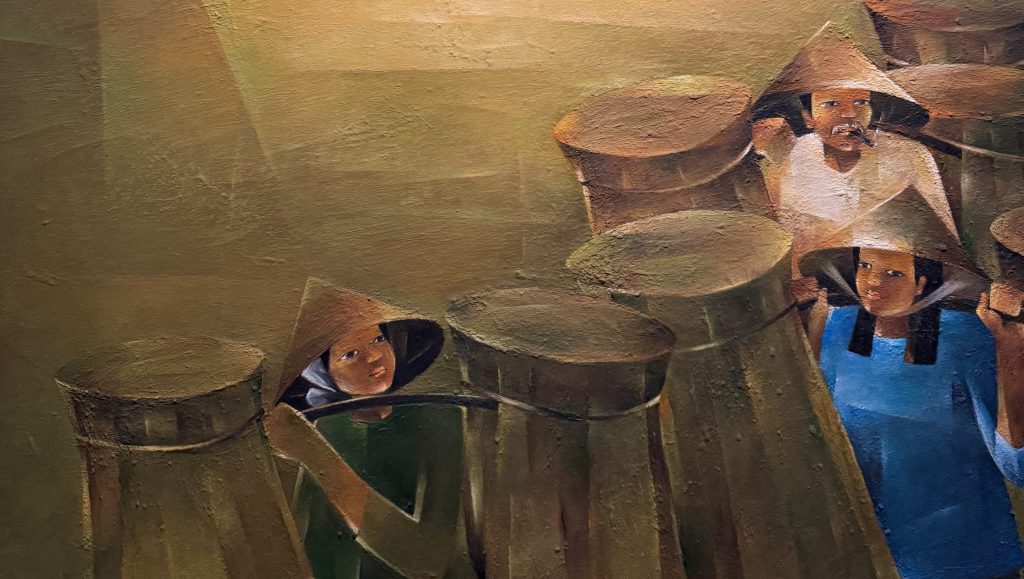
I grew up in a small town in northwestern Mindanao, in the Philippines. As an introverted person, I chose to go out in small groups and have a very tightly-knit circle of friends since I was a kid. My choices, in a lot of ways, are influenced by my penchant for up-close relationships and an…
-

“Inclusion” as a theoretical interest and as a value is very personal to me. For the last five years or so, my focus, as a scholar and practitioner, is how to use data to achieve social, political, and economic outcomes. My work at the Jakarta Lab previously, the data empowerment blog that I co-host and…
-
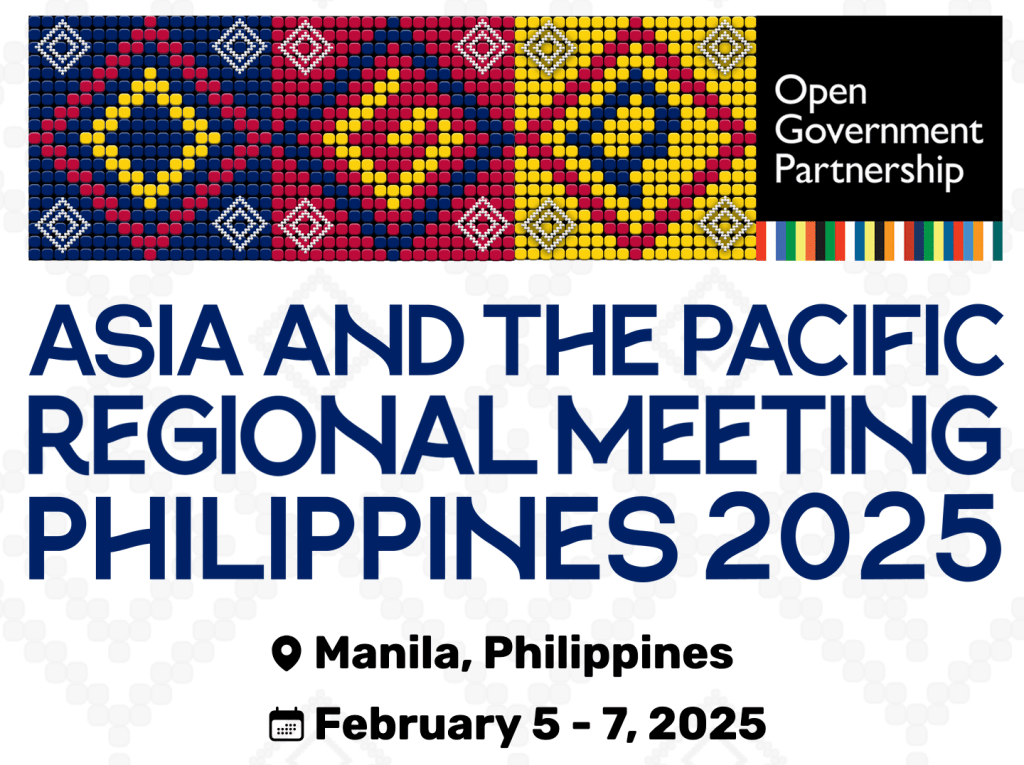
The Philippine government is hosting the regional meeting for the Open Government Partnership in February 2025. For a country, whose checkered history in transparency, accountability, and participation in the last 20 years is confusing at best, the conference will likely be a contested plattform. For those who believe that there is something opportunistic about this…


-
Subscribe
Subscribed
Have a WordPress.com account? Log in now.

