I have been a member of several communities of practice (CoP) in the past but have not had the opportunity to moderate one. My current role as advisor of the Mekong Australia Partnership – Water Energy Climate (MAP-WEC) program, however, provided me with a window of organising one for monitoring, evaluation, and learning (MEL) practitioners across 18 delivery partners in four countries involved in tracking the progress of the program.
It was not that I wanted to organise one. A need for one emerged in one of the training sessions I conducted among MEL practitioners. They wanted a space to share methods, insights, and learnings as they track the progress of initiatives intended to address complex issues in water, energy, and climate in the Mekong subregion.
It was a good thing that I came across a very helpful website on CoPs published by the Edmonton Regional Learning Consortium. It details the reasons why CoPs are important (e.g. for connecting people, stimulating learning, capturing learning and sharing, and generating new knowledge) and also suggests specific steps on how to organise one (e.g. cultivation, recruitment, facilitation, etc). In this post, I will detail what I learned from organising and moderating the MAP-WEC MEL CoP (such a very long name, I know, so let’s call it MWMC hereafter) last year and how we have travelled so far.
1. CoPs don't self-organize; someone has to operationalise the collective intent of learning together.
The MWMC began as an aspiration of people who think that meeting regularly to share learning and insights as well as challenges and roadblocks on MEL. But without somebody who will start asking people around if they are interested, defining what the CoP is for, and clarifying incentives for participation, it will just remain an aspiration. Good that there were a few people, roughly around four, who were serious about regularly gathering together, and this inspired me to run an online survey of what people would like to do in the CoP, what will make them participate, how much time commitment they can give, and what they want to bring to the table. Then somebody has to volunteer to moderate the CoP and make sure that things are moving and people are working together. In this case, people volunteered me.
2. CoPs need a platform or a portal that they can visit to learn more about the CoP, its members, and its activities.
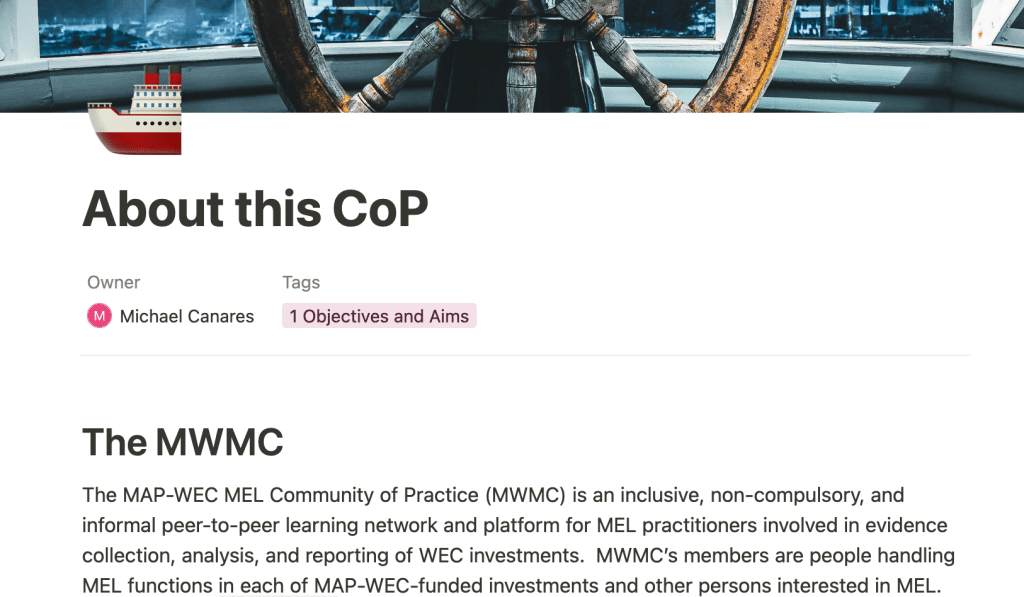
Members come from different organisations and there is no MAP-WEC project website to serve as a repository for all information related to MWMC. I created a site, accessible only to members, that houses all background information on the MWMC, the names of members, the activities, resources and learning opportunities, among others. This enabled current members to keep themselves updated of the workings of the CoP. New members are also provided with important information about the CoP and catch up with previous discussions, as some of the CoP sessions are recorded and shared. The CoP platform is visited regularly by members.
3. CoPs need to have regular activities that members are interested in attending. Planning is crucial and key.
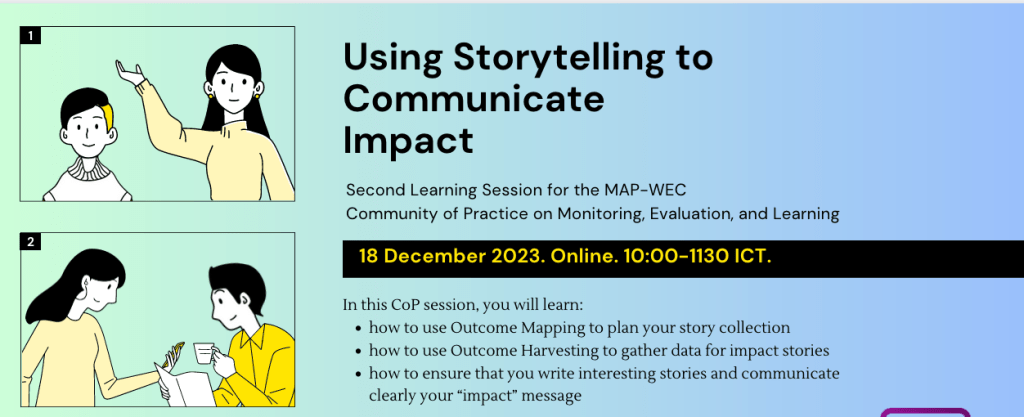
I ran a survey of what members would like to do in upcoming sessions and sharing and learning is key. So I asked members what are the things that they would like to learn about and 8 key topics that emerged. On the top is the use of story-telling to communicate impact. So I then organised a session and invited current and potential members of the CoP to join. We gained four new members in the process.
4. CoP members are experts. Learning sessions are often member-driven.
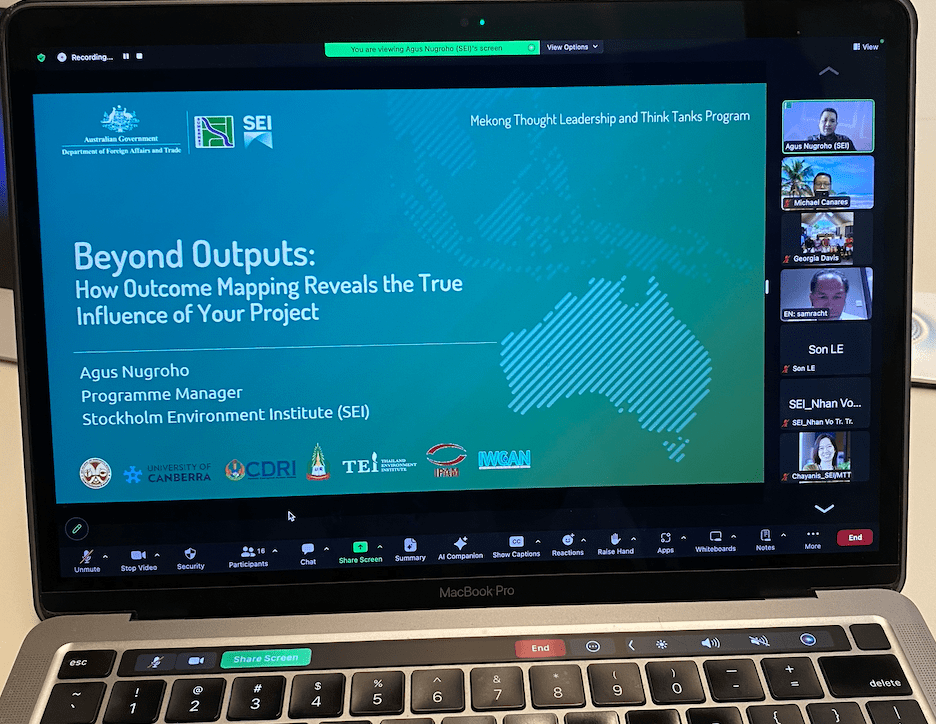
The beauty about learning sessions organised through CoPs is that there is no shortage of people with expertise who are willing to share their knowledge with others. In the first MWMC learning session I organised, for example, all four speakers were members and all of them gave splendid presentations that triggered insightful conversations afterwards. The key is to maintain an expertise profile of all members so that this becomes handy when finding the right people to share in an organised learning session.
5. Newsletters are useful in sustaining the process of knowing each other and learning new things.
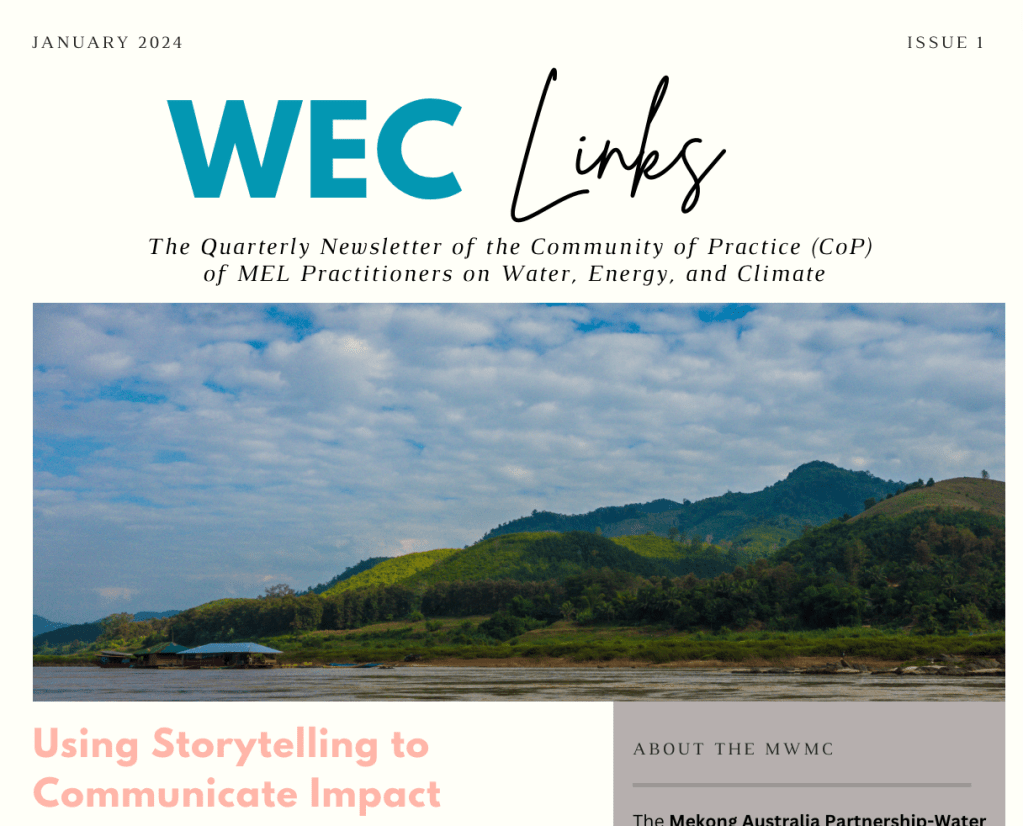
MWMC meets only every three months and sustaining the momentun of knowing and learning is difficult without interaction. However, most members are busy in their work that engaging in facilitated conversations in between is not possible. In this case, I used a quarterly newsletter to share updates on recent events, introduce projects that members are implementing or monitoring, feature resources and research that members have conducted, and feature stories of change coming out from the investments members are monitoring.

 Michael "Miko" Cañares