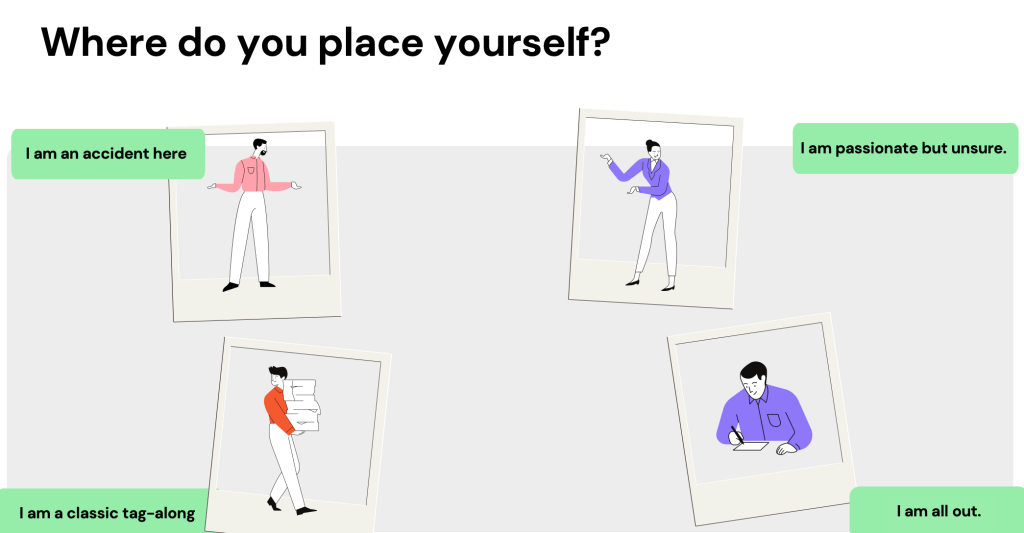
For several years, I have tried to find ways on how to make workshops where more than 30 people converge become a safe space for difficult conversations. Then, an opportunity came to test the things I have experimented on but only with a few people in an event in Kuala Lumpur, funded by a donor who shares my passion of asking difficult questions.
The event went well. Three comments from participants stood out for me when the curtain fell and the flip charts were folded to get documented.
- “We really felt heard.”
- “This is the first time that I had the chance to really talk about how I feel”.
- “It helps to know that we can talk about these things freely, without fear of repercussions.”
How do we make workshops yield these positive reactions?
- Clarify purpose and expectations.
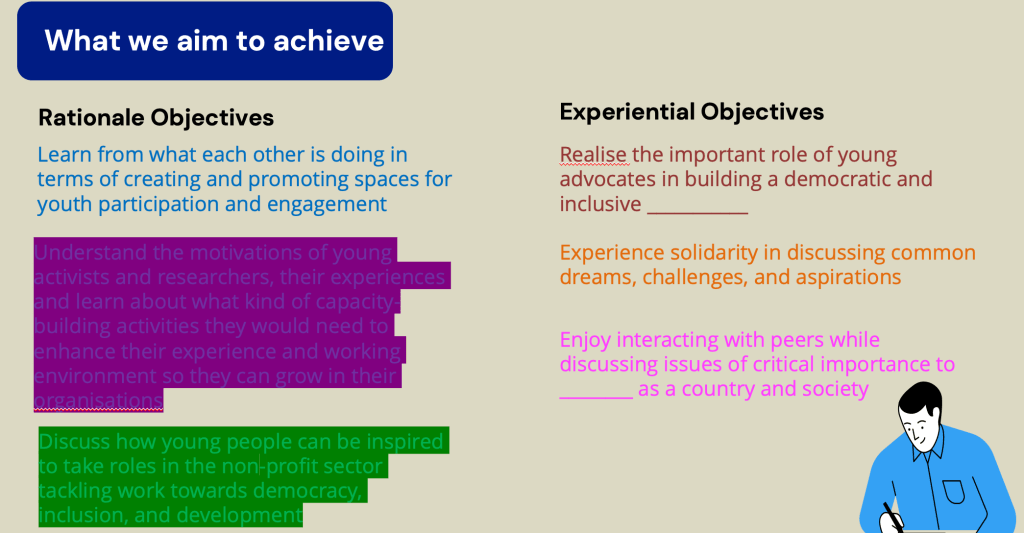
Make sure that everyone understands the objectives of the gathering. Be explicit about how you want the experience to be- what they will do and how they will likely feel. Answer questions candidly and honestly. Make participants own the purpose of the gathering and the processes that they will go through.
2. Set the rules.
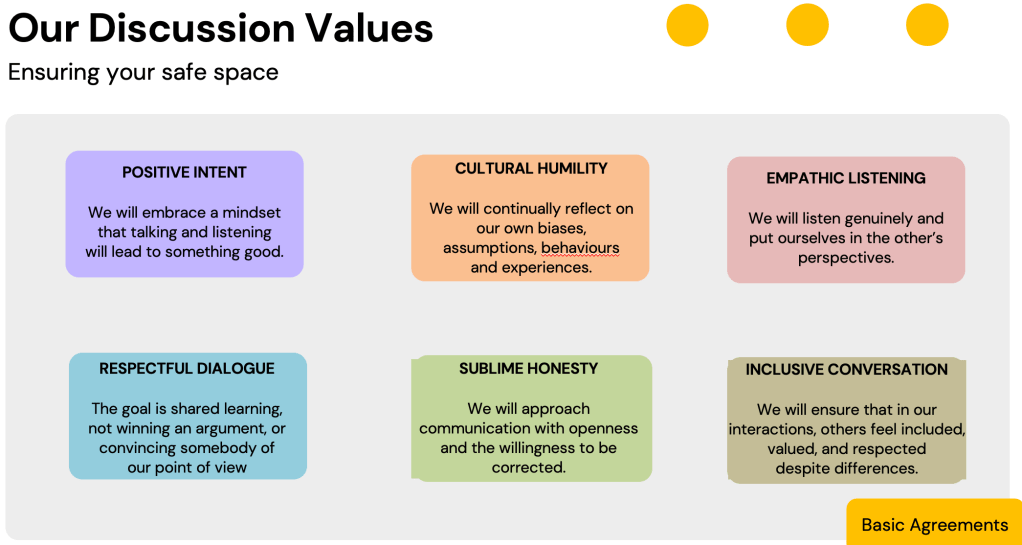
Agree on the basic rules of the conversations. Co-create with the participants the standards for acceptable behaviour. Make every participant commit to the rules, and whenever possible, appoint a “prompter” who notifies participants of a potential breach.
3. Design how to confidentially document the conversations.
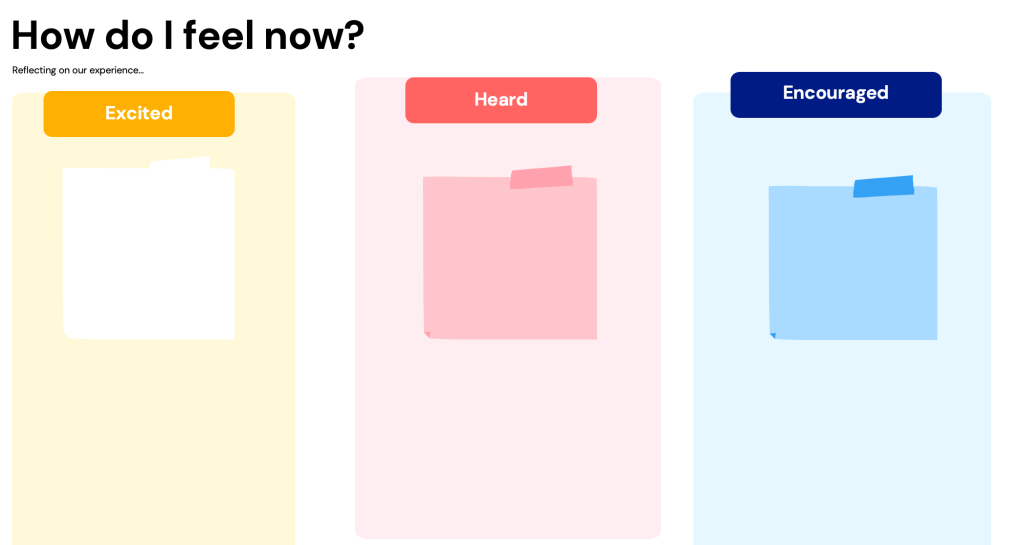
In most cases, a documenter is an outsider (not a participant) to the conversation and thus may prompt trust issues (e.g. is he/she recording us?). In the case of the KL workshop, we extensively used flipcharts and idea cards to document the conversation, without necessarily attributing any statement to a particular person. Needless to say, recording and photography were not allowed.
4. Devote a considerable amount of time to “trust-building” exercises and games.

Do not jump to the agenda right away. Have ample time for the participants to get to know each other and establish a sense of “oneness” and “commonality”. Run games, unfreezers, ice-breakers, structured learning exercises, or whatever you think is necessary and relevant to allow participants to establish a basic level of trust. During break-out sessions, make sure that participants select their group members on the basis of their level of trust and comfort.

 Michael "Miko" Cañares